
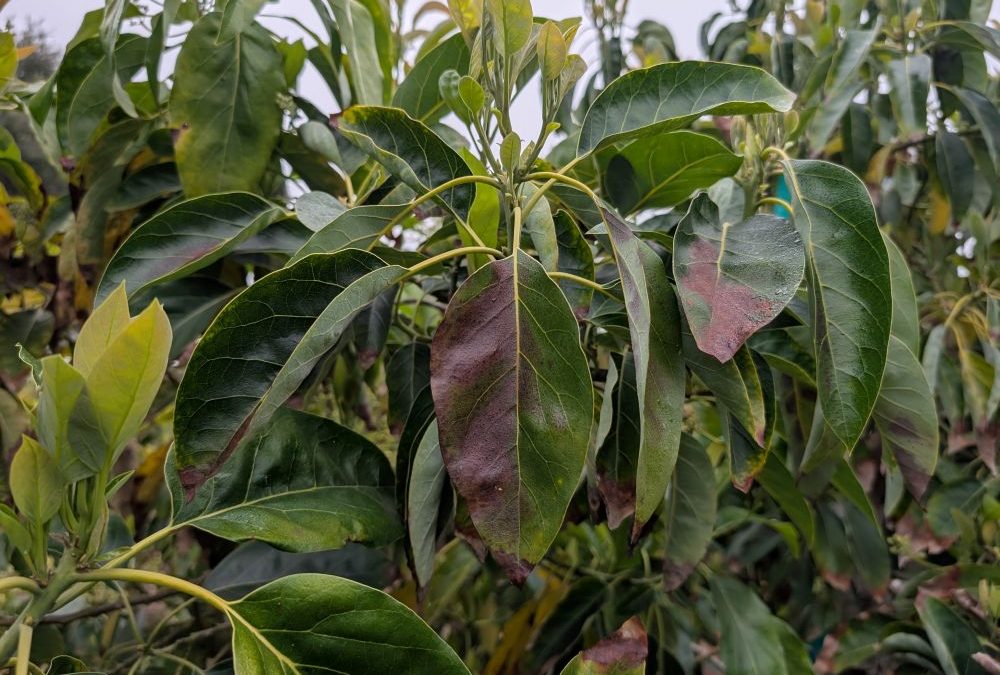
One day it got up to 101 degrees in our yard, and on another day we played at the beach and got sunburned and the ocean water felt like summer — in March.
It was hot, but how unusual was that for March? And how did plants in the food garden respond?
HOT
I’ve been keeping weather records in my yard since 2014 and the hottest day in any March between then and now was 89 degrees in 2015. In two other years it got up to 85.
This March of 2026? It was 90 degrees or higher on 13 days. It was 95 or higher on six of those days. And as I mentioned earlier, it topped out at 101 (on March 20). So the heat of March 2026 was highly unusual compared to the past dozen Marches.
DRY
For most locations in Southern California, March is one of the wettest months, on average. The bulk of our year’s rain falls in January, February, and March. Like normal this year, we got storms that dropped a few inches in January and February, but from February 20 it was dry. Zero rainfall this March.
While dry Marches are not the norm (3-4 inches of rain is the norm), neither are they unheard of. For example, 2017 had only one day with sprinkles for a total of 0.1 inches of precipitation that March.
In 2026, it was the combination of total dry and exceptionally high heat for weeks on end that affected my food garden.
VEG
This resulted in a failure of my last sowing of carrots, lettuce plants suffering, broccoli plants bolting, and pea plants quitting.
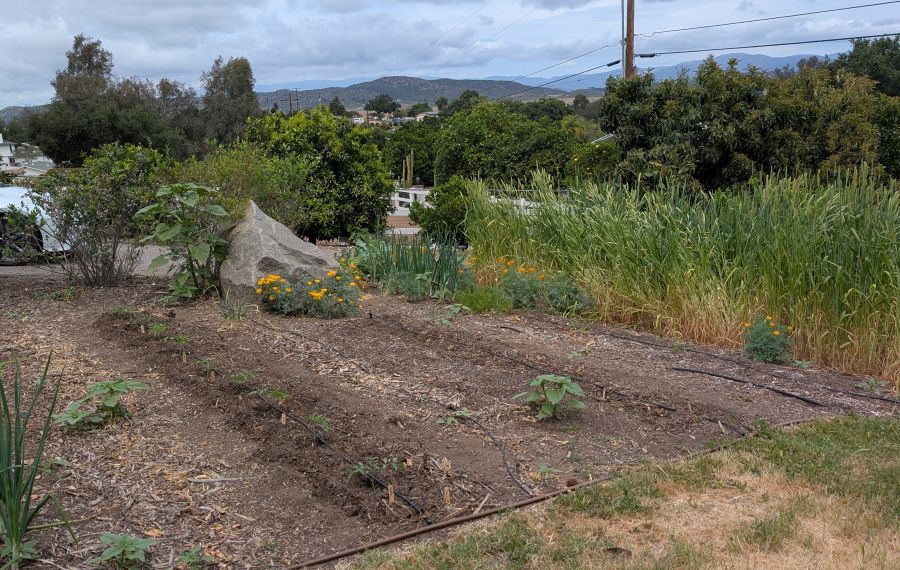
This March, I removed the burned-up peas and replaced them with tomatoes. The soil was warm and the tomatoes have been jumping out of the ground:
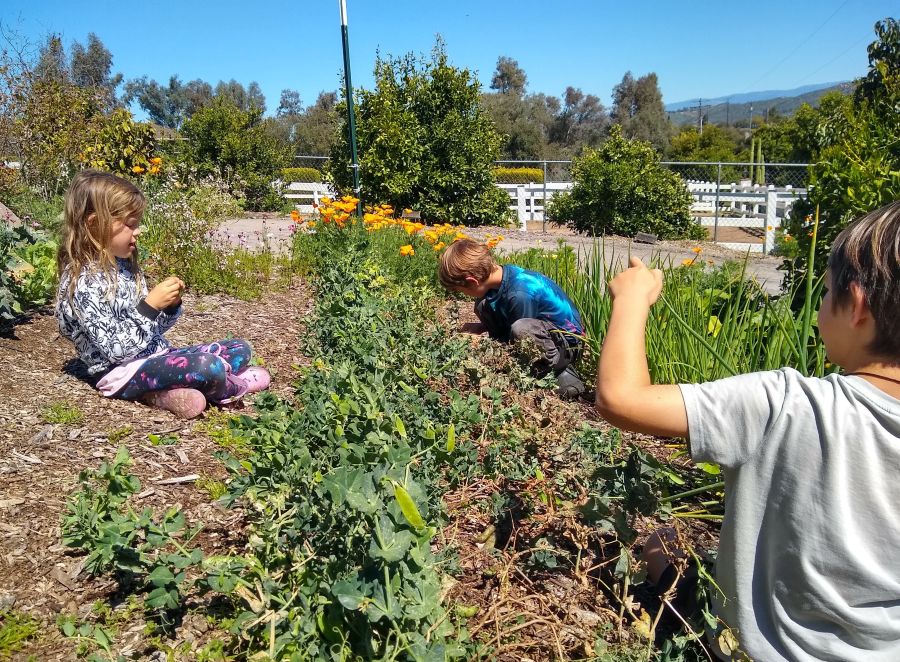
But look how happy our pea plants were exactly two years ago, on April 2, 2024:
So this March was an early end to my winter vegetables and an early start to my summer vegetables. I followed the lead of the weather (rather than the calendar) and planted other warm-season crops that have grown happily too, such as zucchini and cucumbers.
In most years, this transition doesn’t happen until April or even May. For example, 2024 and 2025 were cool and rainy throughout March, and so the soil hadn’t warmed enough for warm-season vegetables to grow well. In 2023, March was even cooler and rainier, with 8.8 inches of rain and many days of frost appearing in my yard, even frost on its last day, March 31.
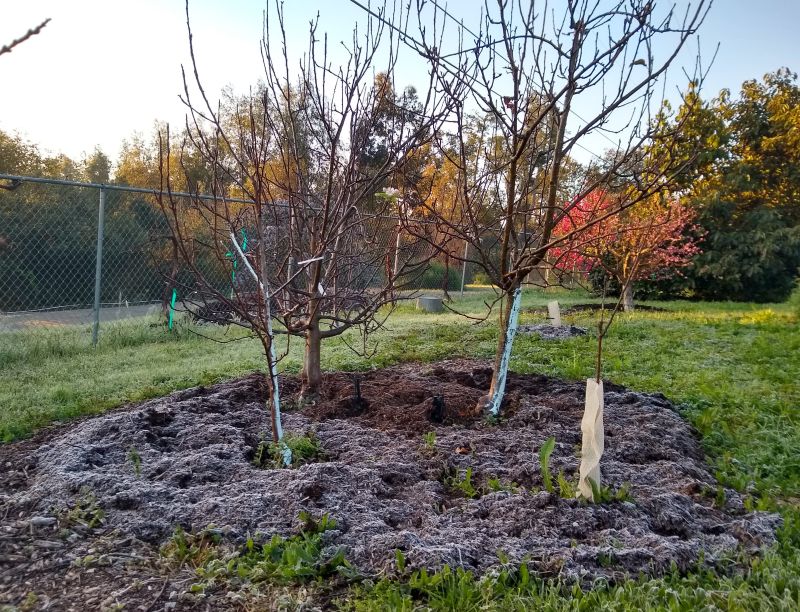
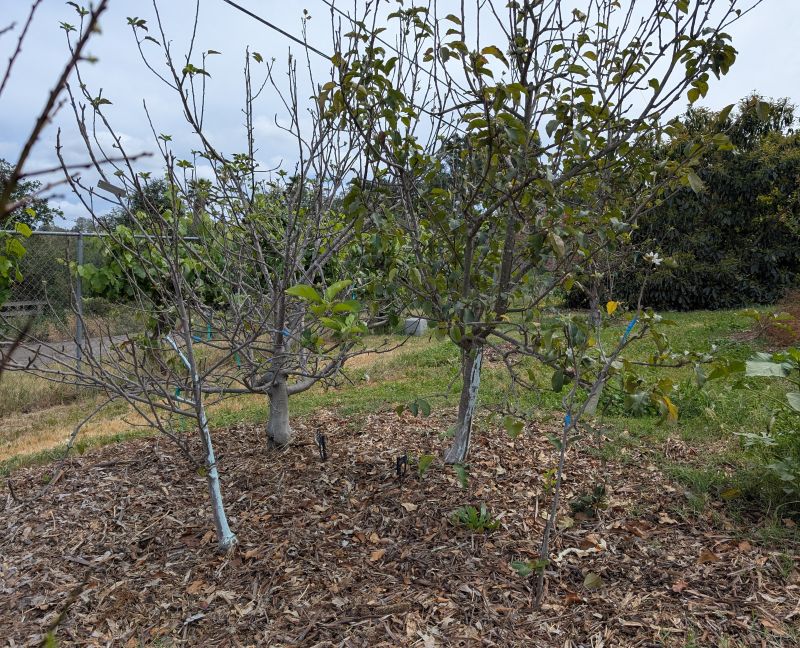
Considering how much cooler and rainier it was during the past three Marches, it will be interesting to see how the dry and hot March of 2026 affects plants through the coming spring and summer. My guess is that fruit trees will be affected more than vegetables.
FRUIT TREES
I had to water all of my fruit trees this March. Even the dirt under my peach tree was dry enough that I felt I had to water it in mid March despite the tree having no leaves yet. This is the earliest I’ve ever watered my deciduous fruit trees.
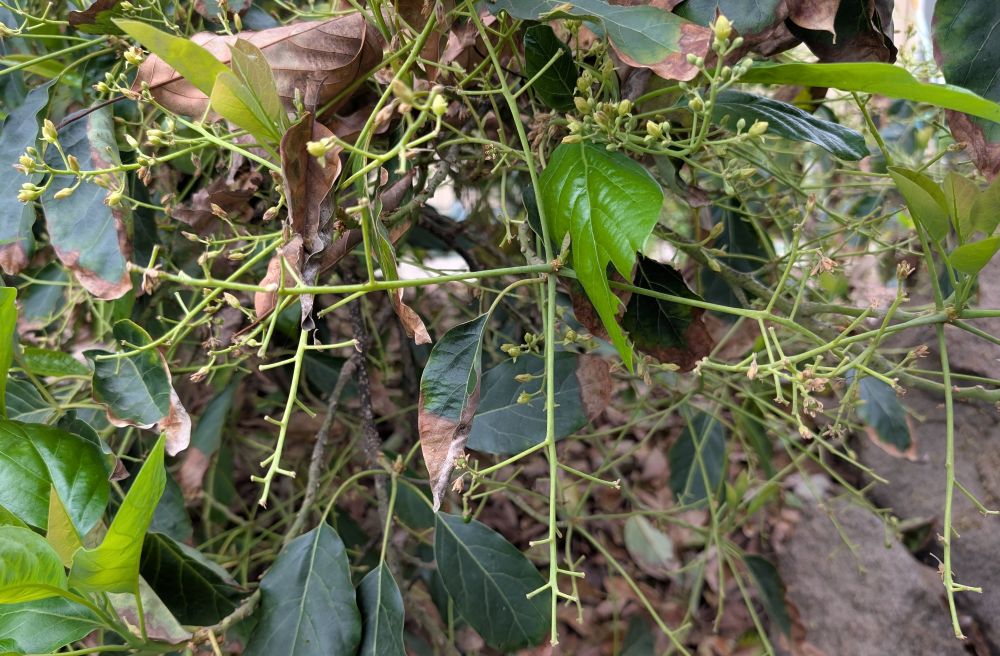
For the trees that were flowering during the high heat, I’m seeing poor fruitset on most. My pluots, apricots, and avocados were blooming during the peak of the heat but it looks like the heat prevented much fruitset, possibly by killing the pollen.
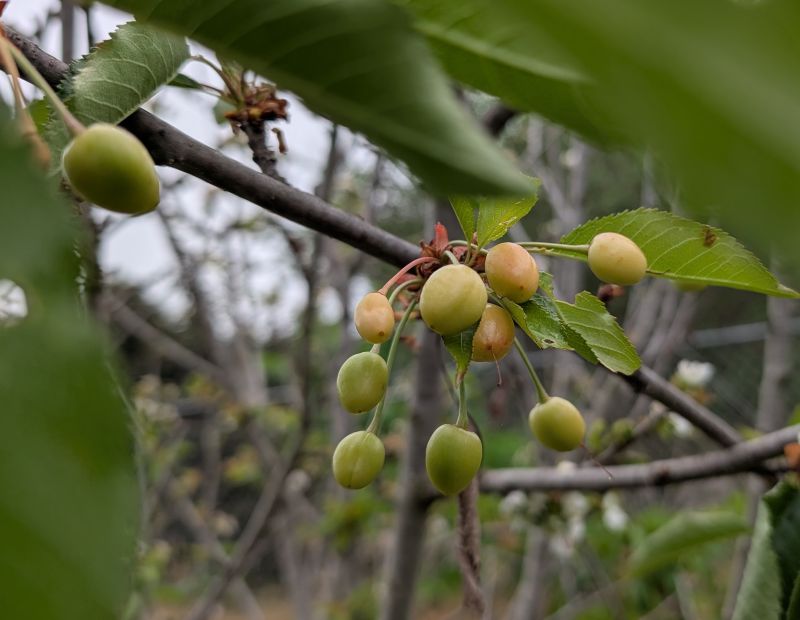
Fortunately, some trees had bloomed earlier, in February, and already set fruit, such as Minnie Royal cherry.
Thankfully, other fruit trees in my yard, such as Snow Queen nectarine and Sharwil avocado, are flowering later and these remaining flowers should become fruit in the current hospitable weather of April.
Grapevines are at home in high temperatures, and mine look as good this year as in any year. What is different this March is that they started growing earlier. Here they were just budding out at the end of March last year:
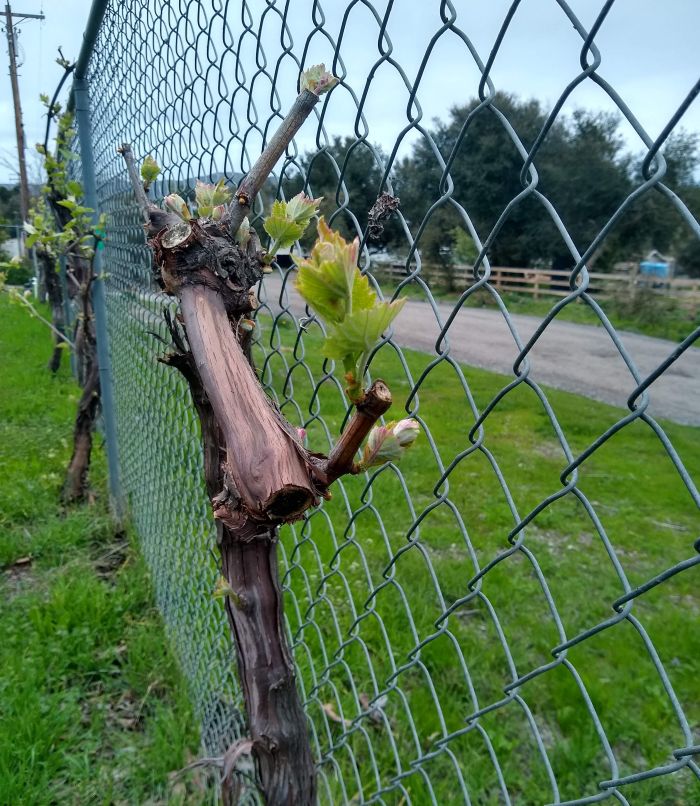
And here they are this year:
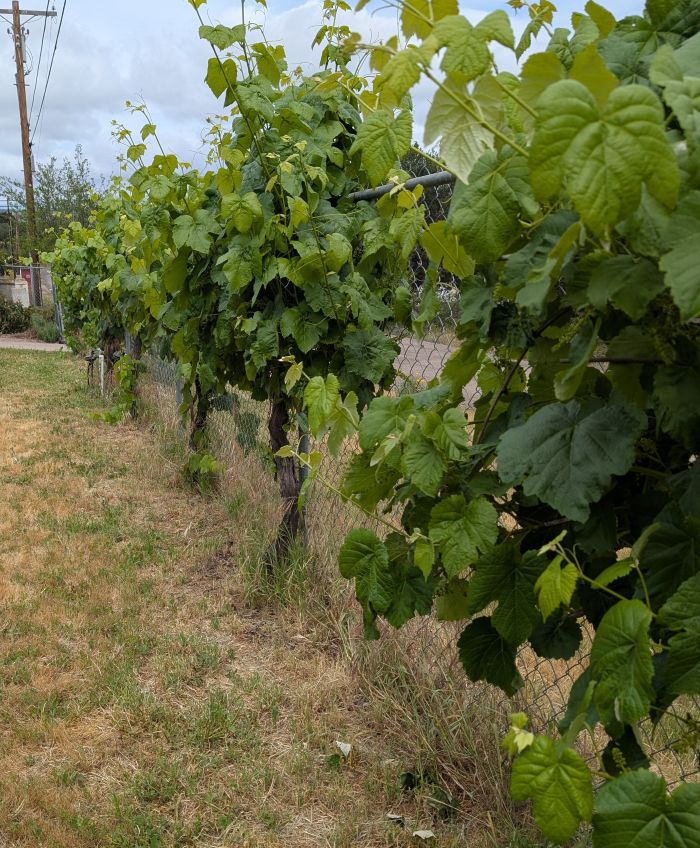
Grapevines appear not to have minded the dry heat of March, but bananas and mangos reveled in it. They had been saying thank you the whole month.
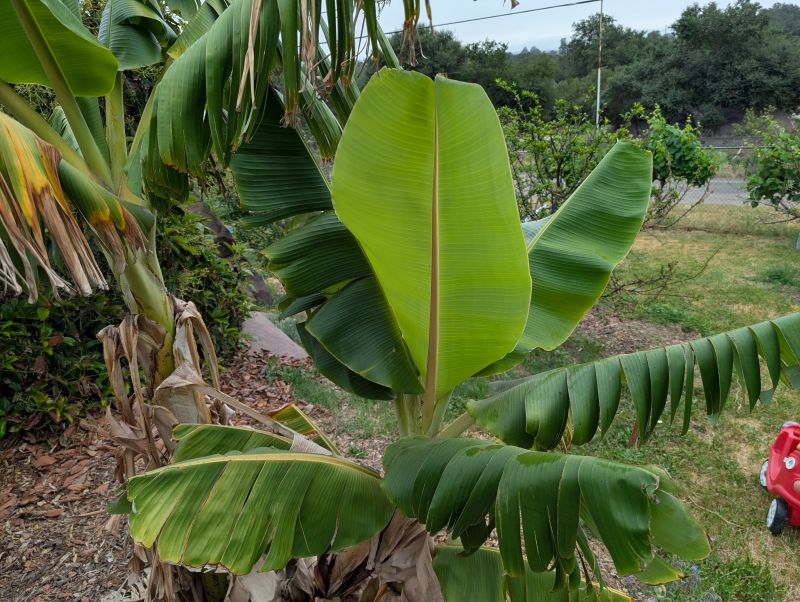
Part of the reason that tropical plants like bananas and mangos looked happy at the end of March was that the prior months of December, January, and February were also warmer than normal. Overall, the winter of 2025-2026 was warmer than normal.
This reminds me of the post I wrote near the end of the winter of 2022-2023, which was colder than normal, where I felt grateful to have fruit trees that enjoyed low temperatures, like apples and pears.
My post from 2023: “Why diversify your food garden?”
Where do we land? March is the last month of winter, but its weather this year was like summer. I don’t like that because I want a full winter of cool and rainy weather in order to rest and recharge before the long irrigation days of summer. Still, I can see the positives in the early growth of warm-season vegetables and the shiny new leaves on my tropical fruit trees.
I guess I land in the same place that I landed after the cold winter of 2022-2023, which is in gratitude for having lots of different types of fruits and vegetables in the ground such that, regardless of a season’s peculiar weather, I’ll still end up with some good homegrown stuff to eat.
P.S. The photo at the top of the post is of sunburned avocado leaves. Can you believe it? Sunburn occurring on leaves in March!
All of my Yard Posts are freely accessible, and I run no ads on the website so that you can enjoy the content without interruption. Please consider supporting my efforts. Thanks!
All of my Yard Posts are listed here.


Recent comments